
Rewriting the Narrative of Rostov
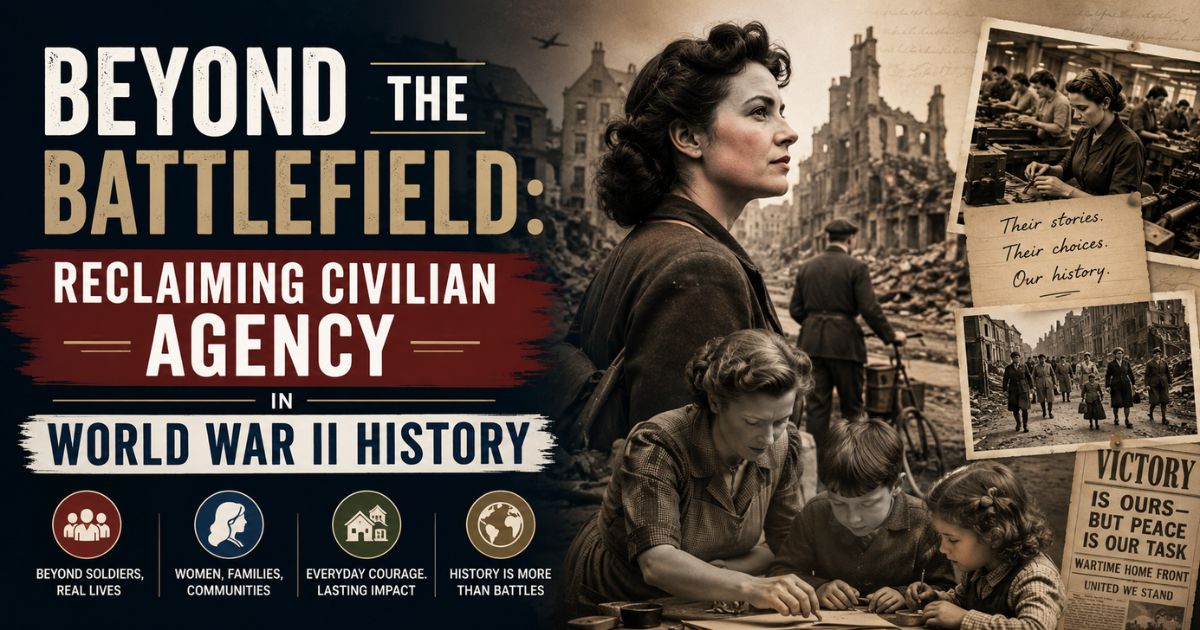
The heart of Feferman’s research lies in the tension between two narratives. During the conflict, the story of Rostov was often spun by global media and competing propaganda machines. One narrative painted a picture of heroic "civilians fighting soldiers"—a romanticized image of the underdog citizen standing up against the machine. The other, far darker and more accurate, was the brutal reality of "soldiers killing civilians," where non-combatants were systematically dehumanized and destroyed.
Feferman’s work masterfully deconstructs how these narratives were built. By digging into original records, the article highlights that civilians were never just passive background characters; they were active participants, symbols, and victims whose very existence altered the strategic decisions of the combatant forces.
This research is a wake-up call for modern historians. It demonstrates that history isn't just about the victors or the defeated; it is about the social fabric that remains when the dust of battle settles. It asks us to consider how global media, even in 1941, could curate reality, shaping public perception to justify violence or celebrate resistance.
The Importance of Depth in Historical Research
Why does this matter in 2026? As we navigate a digital age where information—and disinformation—spreads at light speed, understanding how historical narratives were manipulated becomes crucial. Feferman’s study serves as a masterclass in historiographical precision. It teaches scholars that when looking at history, the "gaps"—the voices left out of the official report—are often where the most important truths are hidden.
For any student or researcher currently tackling a history thesis, this article is a prime example of how to take a well-trodden event like WWII and find a new, compelling angle that demands attention from the academic community.
Elevating Your Historical Research with Thesislikho.com
Whether you are digging through archival records or interpreting modern sociopolitical trends, the journey from an initial research question to a finished, high-impact thesis is arduous. History requires more than just facts; it requires a sophisticated narrative voice, rigorous source analysis, and a mastery of historiographical trends.
This is where Thesislikho.com provides the support that researchers need to transform raw data into a compelling historical argument.
How Thesislikho Becomes Your Research Partner
Writing a history thesis can be a solitary and overwhelming task, but it doesn't have to be. The team at Thesislikho specializes in the unique demands of historical academia:
- Historiographical Mapping: Not sure where your research fits in the broader field? Their team helps you analyze existing literature to ensure your work contributes something new to the scholarly conversation.
- Archival & Primary Source Guidance: Interpreting historical documents requires critical context. Whether you are dealing with military logs, oral histories, or digitized media archives, their experts help you synthesize these sources into a coherent, evidence-based argument.
- Narrative Construction: A great history thesis reads like a story, but remains rooted in facts. Thesislikho assists in organizing your research into a logical, persuasive flow that keeps your reader (and your committee) engaged from the introduction to the final conclusion.
- Citation and Style Excellence: History departments have some of the most rigorous formatting standards (Chicago/Turabian). The team ensures your bibliography and footnotes are flawless, allowing you to focus on the content.
- Defense Preparedness: Defending your research is the final hurdle. They help you summarize your complex arguments into clear, defensible points, ensuring you are ready for any question your committee may throw at you.
If you are currently struggling to bridge the gap between your primary source research and your final thesis submission, the expertise at Thesislikho.com is exactly what you need to elevate your work to a publishable, professional standard.
As you approach your next historical research project, what is the one "hidden" perspective or voice that you feel is currently missing from the narrative?
Call / WhatsApp: +91 96438 02216
Visit:ThesisLikho.com