
The Shift to Multimodal Intelligence
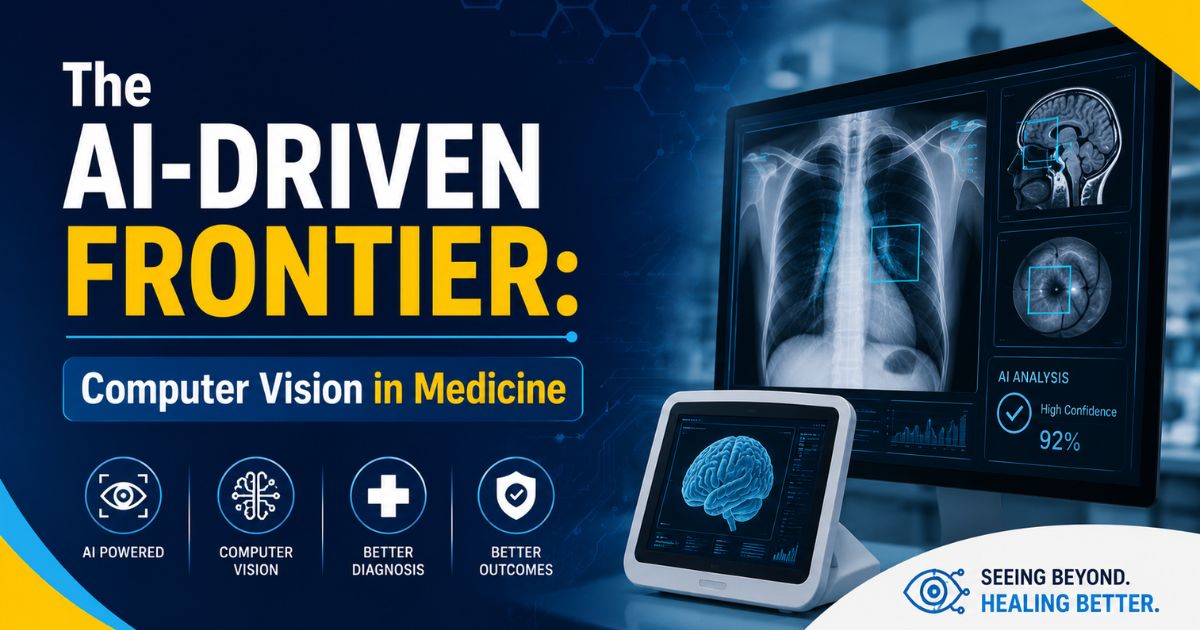
The current state of computer vision in medicine is defined by multimodality. Traditional diagnostic tools relied on viewing an MRI or X-ray in isolation. Today’s systems integrate these images with longitudinal electronic health records (EHRs), laboratory results, and patient history. This synchronization allows AI models to "see" and "feel" the clinical environment simultaneously. For instance, a system analyzing a lung scan now cross-references that visual data with the patient’s respiratory history and biomarker trends to flag subtle anomalies that a human eye might miss.
Furthermore, we are seeing a massive shift in annotation density. As CV applications move into high-stakes surgical and diagnostic environments, the margin for error has vanished. Developers are no longer settling for simple bounding boxes; they are utilizing pixel-perfect 3D masks that map the exact volume of tumors or the precise geometry of vascular structures. This level of precision is critical for the next generation of "embodied" AI, where robotic surgical assistants use these high-fidelity maps to navigate delicate tissues with sub-millimeter accuracy.
Challenges and Future Horizons
Despite the exponential growth—with the market expected to hit nearly $4.7 billion in 2026—the sector faces hurdles, primarily regarding regulatory compliance and data quality. The industry is currently investing heavily in "anonymization-by-design," using synthetic data to train models without compromising patient privacy. As we look toward 2030, the integration of CV into surgical workflows will be the primary driver of growth, allowing surgeons to overlay real-time diagnostic insights directly onto their field of view during complex procedures.
How Thesislikho Can Help Your Research
For a new researcher, the intersection of deep learning and medicine is both exciting and overwhelming. Thesislikho.com provides the specialized support you need to navigate this high-tech frontier:
- Defining Research Scope: We help you transform broad topics like "AI in Diagnostics" into focused, high-impact research questions, such as "Optimizing Multi-modal Fusion for Early Detection of Diabetic Retinopathy."
- Methodological Rigor: Whether you are building CNN-based models or working with Transformers, our experts help you structure your technical documentation to meet the reproducibility standards required for high-tier medical journals.
- Literature Synthesis: We assist in mapping the latest state-of-the-art developments, ensuring your thesis engages with the current discourse in bioinformatics and medical imaging.
- Formatting Excellence: Our team ensures your thesis adheres to strict institutional and journal-specific formatting guidelines, allowing you to focus on your findings rather than the administrative burden.
As you approach your research, how do you see the role of "Explainable AI" (XAI) changing the trust dynamics between doctors and diagnostic algorithms in the next five years?
Call / WhatsApp: +91 96438 02216
Visit:ThesisLikho.com