
The AI Breakthrough: Detecting the "Silent" Signals
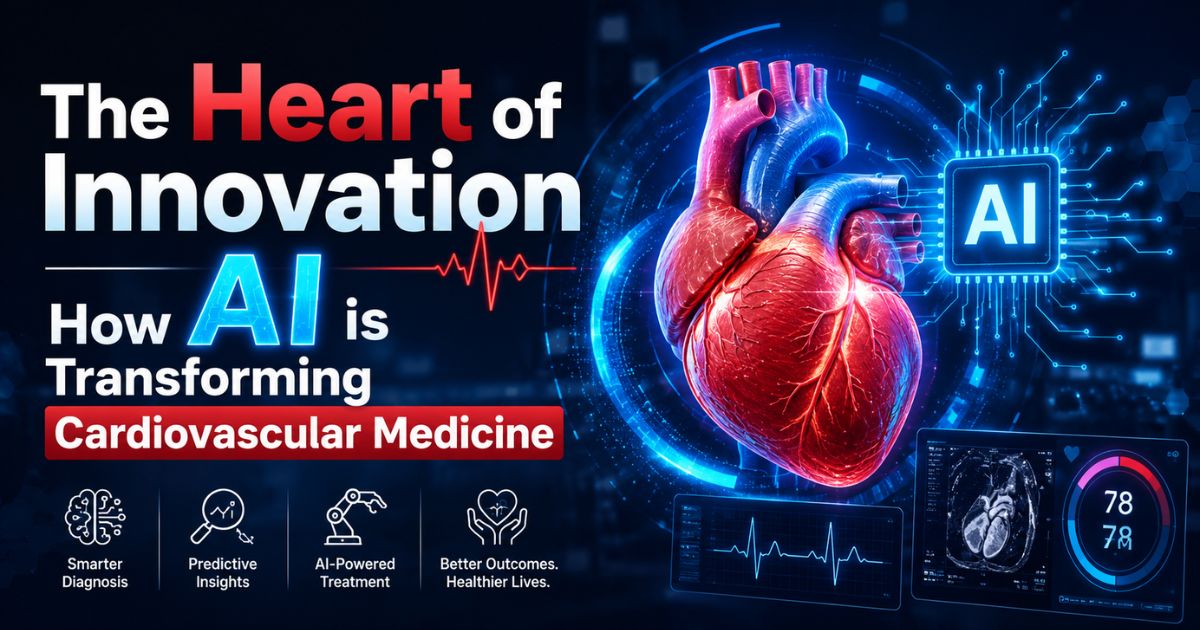
The most significant leap in recent months involves the intersection of machine learning and cardiac electrophysiology. As reported in Nature (June 2026), UC Berkeley-led researchers have pioneered an AI system trained on hundreds of thousands of electrocardiograms (EKGs) that can detect previously unrecognized signals in the heart's electrical waveforms.
For decades, clinicians have relied on standard measurements like the ejection fraction—a gauge of how much blood the heart pumps—to assess risk. However, this method often fails to identify patients at high risk of sudden cardiac death. The new AI model, which analyzes the intricate "spikes and waveforms" of EKG data, has successfully isolated a high-risk group with a 7% annual rate of cardiac arrest, significantly outperforming traditional clinical benchmarks. This discovery is not merely about better detection; it is opening an entirely new field of study into the physiological mechanisms of how the heart suddenly and fatally "misfires," providing a blueprint for life-saving interventions like internal defibrillators to be deployed with unprecedented accuracy.
Precision Medicine: Integrating Multi-Omics and Big Data
Beyond EKG analysis, cardiology is moving toward a highly digitized, multidimensional paradigm. A landmark review published in Frontiers in Cardiovascular Medicine (July 2026) emphasizes the synergistic integration of "multi-omics"—genomics, proteomics, and metabolomics—with AI algorithms. By processing these vast datasets, AI models can now identify novel diagnostic biomarkers that were once hidden in the noise of patient history.
This movement is creating a shift toward patient-centered healthcare. Instead of relying on generalized population statistics, cardiologists are utilizing Polygenic Risk Scores (PRS) and personalized metabolic profiling to predict early-onset coronary artery disease. This represents a paradigm shift from chronic disease management to true health maintenance—predicting the trajectory of a patient's cardiovascular health years before symptoms emerge.
The Challenges of the Digital Lab
Despite these technological leaps, the academic community remains vigilant. Recent systematic reviews (MDPI, 2026) highlight that while AI algorithms achieve high performance in diagnostic tasks, the transition to clinical practice requires rigorous validation. The field is currently wrestling with "explainable AI" (XAI)—ensuring that when an algorithm flags a patient as high-risk, doctors can understand why the machine reached that conclusion. The challenge for researchers today is not just developing smarter models, but ensuring transparency, data representativeness, and ethical implementation in diverse global populations.
Navigating Your Medical Thesis with Thesislikho.com
Researching cardiovascular health involves a daunting mix of clinical data, complex statistical modeling, and evolving ethical standards. Whether you are conducting a study on the efficacy of transcatheter procedures, analyzing the long-term impacts of lifestyle factors on heart rhythm, or developing an AI-driven predictive model, your research must meet stringent, high-impact medical standards.
Thesislikho.com provides the specialized consultancy that researchers need to ensure their thesis is not only scientifically accurate but also presented with the professional rigor expected by doctoral committees and medical journals:
- Clinical Data Synthesis: Our team assists in processing complex clinical datasets, helping you draw robust, statistically significant conclusions that form the bedrock of medical research.
- Literature Reviews & Evidence Mapping: With the medical field moving at lightning speed, Thesislikho helps you navigate the latest Q1/SCI-indexed publications, ensuring your literature review is comprehensive and up-to-the-minute.
- Methodological Rigor: We provide support in designing prospective studies and verifying your AI-driven findings, ensuring your work aligns with the latest frameworks for clinical integration and patient outcomes.
- Formatting & Submission Compliance: Whether you are following Vancouver style or specific journal submission guidelines, we ensure every detail—from citation management to medical terminology—is perfectly polished for submission.
If your research aims to uncover the next breakthrough in cardiovascular health, the experts at Thesislikho.com have the multidisciplinary depth to help you structure, write, and refine your thesis for maximum scholarly impact.
As you look at the integration of AI into your own medical research, what do you see as the greatest challenge in translating algorithmic predictions into actionable, life-saving clinical outcomes?
Call / WhatsApp: +91 96438 02216
Visit:ThesisLikho.com